
Introduction
If you have a dental appointment coming up, you may be wondering, how long does a teeth cleaning take? In most cases, a routine professional teeth cleaning takes about 30 to 60 minutes. However, the exact time can be different for each person. Your appointment may take longer if you have a large amount of plaque or tartar, gum problems, sensitive teeth, or if it is your first visit to the dentist.
It is also important to understand that a dental appointment can include more than the cleaning itself. Your dentist may check your teeth and gums, take X-rays, discuss your oral health, or recommend preventive treatments. These steps can add extra time to your visit. A routine cleaning is different from a deep cleaning. Routine cleanings mainly remove plaque and tartar from accessible areas of the teeth, while deep cleaning is used to treat certain forms of gum disease and involves cleaning below the gumline.
In this guide, you will learn how long different types of teeth cleaning can take, what happens during the appointment, what factors affect the timing, and how to prepare for your visit.
How Long Does a Teeth Cleaning Take?
So, how long does a teeth cleaning take? A typical routine cleaning takes approximately 30 to 60 minutes. If your teeth and gums are healthy and you have regular cleanings, the appointment may be closer to 30 or 45 minutes. If there is more tartar buildup or additional dental care is needed, it may take closer to an hour or longer.
The cleaning itself may not take up the entire appointment. A dental professional may first examine your mouth, review your dental history, check your gums, and look for signs of cavities or other problems. X-rays or other preventive services can also add time.
| Type of Dental Visit | Approximate Time |
| Routine teeth cleaning | 30 to 60 minutes |
| Cleaning with exam or X-rays | 45 to 90 minutes |
| Periodontal maintenance | About 45 to 75 minutes |
| Deep cleaning | About 1 to 2 hours per visit |
| Children’s cleaning | Often 15 to 45 minutes |
These are general estimates rather than fixed appointment times. Your dentist or hygienist can give you a better estimate based on your oral health and the services you need.
What Happens During a Teeth Cleaning?
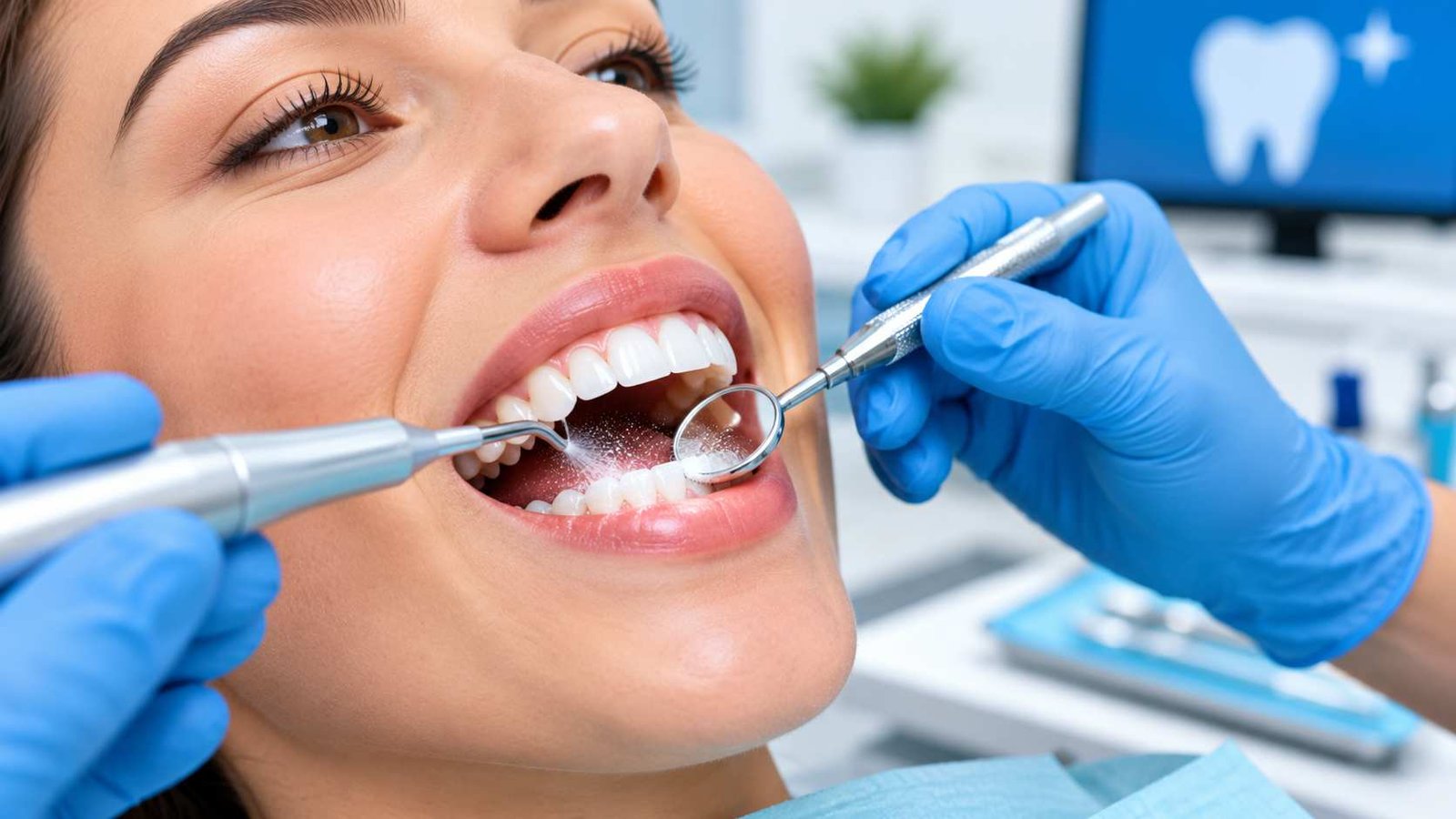
A professional teeth cleaning usually follows several simple steps. Understanding them can make the appointment feel more comfortable and help explain why the visit may take some time.
Initial Dental Examination
Before cleaning begins, the dentist or dental hygienist may examine your teeth and gums. They can look for signs of cavities, gum inflammation, bleeding, damaged teeth, or other concerns. If you are a new patient, your dental and medical history may also be reviewed.
Checking for Plaque and Tartar
The hygienist checks your teeth for plaque and tartar. Plaque is a soft, sticky film that forms on teeth. If it is not removed regularly, it can harden into tartar, also called calculus.
Brushing and flossing help control plaque, but hardened tartar cannot be completely removed at home. Professional dental instruments are needed to remove it safely. The amount of tartar you have is one of the factors that can affect how long a teeth cleaning takes.
Scaling and Tartar Removal
During scaling, the hygienist carefully removes tartar from the teeth and around the gumline. If there is a lot of buildup, this part of the appointment can take longer.
Polishing the Teeth
After scaling, the teeth are usually polished. This helps remove some surface stains and leaves the teeth feeling smoother. Dental polishing should not be confused with professional teeth whitening. Polishing can improve the appearance of surface stains, but it does not change the natural color of your teeth in the same way whitening treatment can.
Flossing and Final Checks
The hygienist may floss between your teeth and perform a final check. You may also receive advice about brushing, flossing, or other ways to improve your oral hygiene at home.
Fluoride or Other Preventive Care
Depending on your needs, your dentist may recommend fluoride treatment, sealants, X-rays, or other preventive services. These additional procedures can increase the total appointment time.
What Factors Affect How Long a Teeth Cleaning Takes?
Not every dental cleaning takes the same amount of time. One person may finish in 30 minutes, while another may need an hour or more. The biggest difference usually comes from the condition of the teeth and gums.
The amount of plaque and tartar is an important factor. Someone who has regular cleanings and maintains good oral hygiene may have less buildup. On the other hand, a person who has not had a cleaning for a long time may have more hardened tartar that takes longer to remove.
Your gum health also matters. Healthy gums usually allow for a straightforward routine cleaning. Inflamed gums, bleeding, deep gum pockets, or signs of periodontal disease may require additional attention.A first dental visit can also take longer. New patients may need X-rays, a complete examination, medical history review, and gum assessment before or during the cleaning.
Tooth sensitivity can affect the pace as well. If your teeth or gums are sensitive, your hygienist may work more slowly or give you short breaks. It is always a good idea to tell your dental professional if you feel discomfort.
How Long Does a Routine Teeth Cleaning Take?
A routine teeth cleaning, sometimes called a preventive or prophylaxis cleaning, generally takes 30 to 60 minutes. It is mainly designed to remove plaque, tartar, and some surface stains that regular brushing cannot completely control.
For people who visit the dentist regularly and have healthy gums, the cleaning may be relatively quick. The hygienist can usually move through scaling, polishing, flossing, and other routine steps without needing extensive treatment.
However, the time spent in the dental office can be longer than the actual hands-on cleaning. For example, your appointment may include an examination, X-rays, updating your dental records, or talking with the dentist about any concerns.
This is why it is better to think about the appointment as a complete dental visit rather than assuming the cleaning itself will last for exactly 30 minutes.
If you are scheduling the appointment around work, school, or another commitment, ask the dental office how much time you should allow. This is especially helpful if it is your first appointment or you have not visited a dentist for a long time.
How Long Does a Deep Teeth Cleaning Take?
A deep teeth cleaning is different from a routine cleaning. It is commonly known as scaling and root planing and is used when gum disease has caused bacteria and tartar to build up below the gumline.
Because the hygienist needs to clean deeper areas, the procedure usually takes longer than a standard cleaning. A deep cleaning may take around one to two hours per visit, depending on how much treatment is needed. In some cases, the mouth may be divided into sections and treated during more than one appointment.Local anesthesia may be used if the gums or teeth are particularly sensitive or if the cleaning needs to reach deeper areas. Your dentist will decide whether this is necessary.
| Feature | Routine Cleaning | Deep Cleaning |
| Main purpose | Preventive care | Treatment of gum disease |
| Cleaning area | Mainly above gumline | Above and below gumline |
| Typical time | 30–60 minutes | About 1–2 hours per visit |
| Multiple visits | Usually not needed | Sometimes needed |
| Anesthesia | Usually not needed | May be used |
A deep cleaning should not be treated as simply a longer version of a regular cleaning. It is a different procedure intended to address problems affecting the gums and supporting tissues around the teeth.
How Long Does a Dental Cleaning Take for a First-Time Patient?
If you are visiting a dentist for the first time, do not be surprised if your appointment takes longer than a normal cleaning. The dental team may need to collect your medical and dental history, examine your teeth and gums, and take X-rays.
The dentist may also check for cavities, gum disease, worn teeth, damaged fillings, or other oral health concerns. After the examination, the hygienist can perform the cleaning based on your individual needs.
For this reason, a first visit may take 60 to 90 minutes or more, depending on the dental office and services required. An overdue appointment can also take longer because there may be more tartar to remove.
If you have limited time, tell the dental office when making the appointment. They can let you know how much time to reserve and whether the examination, X-rays, and cleaning will be completed during the same visit.
How Long Does a Teeth Cleaning Take for Children?
Children’s dental cleanings can sometimes be shorter than adult appointments, but the time depends on the child’s age, cooperation, oral health, and whether it is their first visit.
A routine children’s cleaning may take around 30 to 45 minutes, although some appointments are shorter or longer. Younger children may need additional time to become comfortable with the dental chair and equipment.
The dental professional may check the child’s teeth and gums, remove plaque and tartar, polish the teeth, and provide advice about brushing and oral hygiene. Children with braces, significant buildup, or other dental concerns may need additional time.Parents should avoid rushing a child’s appointment. A calm and comfortable experience can help children develop positive dental habits and make future visits easier.
Does Teeth Cleaning Take Longer If You Have a Lot of Tartar?
Yes. A large amount of tartar can make a cleaning take longer because the hardened deposits need to be carefully removed with professional dental instruments.
Tartar can build up when plaque is not removed effectively. It commonly develops around the gumline and between teeth, where cleaning can be more difficult. If you have skipped several dental appointments, you may have more buildup than someone who receives regular cleanings.
Heavy tartar can also occur alongside gum inflammation or periodontal disease. If your dentist finds signs of gum disease, you may need periodontal treatment instead of a simple routine cleaning.
This is one reason regular dental visits are useful. Keeping up with professional cleanings can help prevent excessive buildup and allows your dental team to identify problems before they become more complicated.
Does a Dental Cleaning Hurt?
Most routine dental cleanings are well tolerated, but some people may experience mild sensitivity or discomfort. This is more likely when there is heavy tartar, sensitive teeth, or irritated gums.You may notice some sensitivity when the hygienist cleans around the gumline. If your gums are inflamed or bleed easily, certain areas may also feel uncomfortable.
Do not stay silent if something hurts. Tell your hygienist so they can adjust their technique, slow down, or give you a short break. Communication can make the experience much easier.
Deep cleaning can cause more discomfort because the hygienist works below the gumline. Local anesthesia may be used when appropriate to make the procedure more comfortable.After a cleaning, mild gum tenderness or sensitivity may occur for a short time. Severe, worsening, or persistent pain should be discussed with your dentist.
What Should You Do Before a Teeth Cleaning?
You do not need to do anything complicated before a routine cleaning. Continue your normal brushing and gently clean between your teeth. There is no need to aggressively brush or try to remove tartar yourself before the appointment.If you have sensitive teeth, bleeding gums, dental anxiety, or pain, tell the dental team before treatment begins. Also mention any important changes to your health or medications.
If this is your first visit, arrive a little early so you have enough time for registration and paperwork. Bringing relevant dental records or information from a previous dentist may also be helpful.Most importantly, do not cancel a cleaning simply because you have not maintained perfect oral hygiene. The purpose of the appointment is to help improve your oral health, not to judge your current habits.
What Happens After a Teeth Cleaning?
After a routine cleaning, your teeth should feel smoother and cleaner. You may notice that your mouth feels fresher because plaque and tartar have been removed.
Some people experience temporary gum tenderness or tooth sensitivity, especially after a more thorough cleaning. Following your dental professional’s instructions can help your mouth return to normal.Continue brushing your teeth twice a day with fluoride toothpaste and clean between your teeth every day. These habits help control plaque between professional visits.
Your dentist or hygienist may also recommend fluoride, a different toothbrush, improved flossing techniques, or other preventive care based on your needs.If you experience significant pain, swelling, bleeding that does not improve, or another unusual symptom after your appointment, contact your dental office for advice.
How Often Should You Get Your Teeth Professionally Cleaned?
Many people have professional teeth cleanings about twice a year, but there is no single schedule that works for everyone. Your dentist may recommend more frequent visits if you have gum disease, heavy tartar buildup, or other oral health concerns.
Regular cleanings can make future appointments easier because plaque and tartar are addressed before they become excessive. They also give your dental team opportunities to monitor changes in your teeth and gums.
Your home care is important between appointments. Brushing twice daily and cleaning between your teeth can reduce plaque buildup, but it cannot completely remove hardened tartar.
Instead of focusing only on a fixed six-month schedule, follow the cleaning plan recommended by your dental professional. Your ideal schedule depends on your individual oral health.
Can Regular Brushing Make a Dental Cleaning Faster?
Good oral hygiene can help reduce the amount of plaque that builds up between professional appointments. Brushing twice a day with fluoride toothpaste and cleaning between your teeth daily are important parts of this routine.
However, brushing cannot remove hardened tartar once it has formed. Professional cleaning is needed to safely remove these deposits.
Regular home care may make a routine cleaning more straightforward, but it does not replace dental visits. Even people who brush and floss carefully can develop tartar in areas that are difficult to reach.
The goal is not simply to make your appointment shorter. Good oral hygiene helps protect your teeth and gums and may reduce the risk of cavities and gum problems over time.
Why Does My Teeth Cleaning Take Longer Than Someone Else’s?
It is normal for two people to have different appointment times. Your cleaning may take longer because you have more tartar, have not had a professional cleaning recently, or have sensitive or inflamed gums.
A first appointment can also take longer because the dentist may need to complete an examination and take X-rays. Some people also require periodontal maintenance or other treatment rather than a basic cleaning.Dental offices may also organize appointments differently. One practice may schedule the examination and cleaning together, while another may handle them separately.
Instead of comparing your appointment with someone else’s, focus on what your dental professional recommends for your teeth and gums. A longer cleaning is not necessarily a sign that something is wrong. It may simply mean that your mouth requires more attention during that visit.
Can I Get a Teeth Cleaning During My Lunch Break?
A simple routine cleaning may fit into a lunch break if the dental office is nearby and no additional treatment is needed. However, you should allow extra time for travel, check-in, examination, and possible X-rays.If it is your first visit, a short lunch break may not be enough. The same applies if you have heavy tartar or need deep cleaning.When booking your appointment, ask the dental office how long they expect the complete visit to take. This can help you avoid having to rush back to work or another commitment.
FAQ’s
1. Can I eat before a teeth cleaning?
Yes, you can normally eat before a routine cleaning. However, avoid eating a large or messy meal immediately before your appointment and brush afterward if possible.
2. Can I drink coffee before a dental cleaning?
You generally can, but coffee can leave temporary stains and may make your mouth feel less fresh. Water is a simple choice before an appointment.
3. Should I floss before a dental cleaning?
Yes. Continue your normal flossing routine, but do not floss aggressively right before your visit if your gums are sensitive.
4. Can I drive home after a regular teeth cleaning?
Yes, most people can drive normally after a routine cleaning. A standard cleaning does not usually require sedation.
5. What if my gums bleed during a cleaning?
Some bleeding can occur when gums are inflamed or when there is significant plaque buildup. Tell your dental professional, especially if bleeding happens often when you brush or floss.
Conclusion
So, how long does a teeth cleaning take? For most people, a routine professional cleaning takes about 30 to 60 minutes. The exact time depends on the amount of plaque and tartar, your gum health, how regularly you visit the dentist, and whether an examination, X-rays or other services are included.A first visit or cleaning after a long break may take longer. Deep cleaning for gum disease also requires more time and may involve multiple appointments.The best way to keep routine appointments simple is to maintain good oral hygiene at home and follow the cleaning schedule recommended by your dentist. If you need to plan around work or another commitment, ask the dental office how long your complete appointment is expected to take.