
Introduction to Pulsamento
Have you ever noticed how everything in life seems to follow a rhythm? Your heartbeat, your breathing, even the way music flows — all of these are guided by a hidden pattern. This is where pulsamento comes in.
In simple words, pulsamento means a steady rhythm or pulse that keeps things moving in a smooth and organized way. It is like the heartbeat of life. Just as your heart keeps your body alive, pulsamento keeps music, motion, and even emotions flowing naturally.
Recently, the term pulsamento has started gaining attention online. People are becoming more interested in understanding rhythm, mindfulness, and creative flow. That’s why this keyword is trending — it connects science, music, and daily life in a unique way.
Understanding pulsamento matters because it helps you improve focus, creativity, and emotional balance. Whether you are a musician, a writer, or just someone trying to live a more organized life, pulsamento can help you find your natural rhythm.
Pulsamento Meaning & Definition – You Will Be Surprised!
The word pulsamento refers to a repeating rhythm or steady pulse that drives movement, sound, or energy. It is not limited to one field. You can find pulsamento in music, nature, and even daily routines.
For example, when you listen to a song and tap your foot without thinking, you are feeling its pulsamento. When your heart beats regularly, that is also a form of pulsamento. Even your daily routine — waking up, working, resting — follows a pattern that can be called pulsamento.
Many people confuse pulsamento with “pulse” or “rhythm,” but there are small differences. A pulse is a single beat, while rhythm is a pattern of beats. Pulsamento is broader — it represents the continuous flow that connects those beats into a meaningful sequence.
Scientifically, pulsamento can relate to vibrations and repeated cycles. Creatively, it represents flow, energy, and emotional movement. This mix of science and creativity makes pulsamento a powerful concept.
Origin and Etymology of Pulsamento – Find Out Now!
The term pulsamento comes from the Latin word pulsare, which means “to beat” or “to strike.” Over time, this root word influenced languages like Italian and Spanish, where similar words describe rhythmic actions.
In older times, pulsamento was mainly used in musical and artistic contexts. It described how sounds or movements repeated in a structured way. As language evolved, the meaning expanded beyond music.
Today, pulsamento is used more broadly. It appears in discussions about lifestyle, creativity, and even mental health. This evolution shows how a simple word related to “beating” has grown into a concept that explains rhythm in many areas of life.
Pulsamento in Music (Core Concept) – Feel the Beat!
In music, pulsamento is the underlying pulse that keeps everything together. It acts like a guide that helps musicians stay in time and maintain flow.
Imagine listening to a song without any rhythm — it would feel chaotic. Pulsamento brings order to music. It helps define tempo (speed), rhythm (pattern), and timing (precision).
In classical music, pulsamento is often subtle but essential. Musicians follow it to stay synchronized. In flamenco guitar, pulsamento becomes more visible through finger-plucking techniques that create strong rhythmic patterns. In modern music like pop and electronic genres, pulsamento is often created using digital beats.
Musicians rely on pulsamento to express emotion. A slow pulsamento can create a calm feeling, while a fast one can create excitement. Without pulsamento, music would lose its structure and emotional impact.
Must Check: Calesshop – Real Reviews, Prices & Safety Guide
Pulsamento as a Musical Technique –The Real Skill!
Beyond its basic meaning, pulsamento also plays an important role as a practical musical technique. It is especially useful in guitar playing, where it refers to plucking strings in a controlled and rhythmic way.
Unlike strumming, which involves sweeping across multiple strings, pulsamento focuses on individual notes. This allows musicians to create more precise and expressive sounds.
For example, in flamenco music, pulsamento techniques are used to produce sharp and rhythmic tones. This helps improve timing and control. Musicians practice pulsamento to develop better coordination between their hands and ears.
Over time, mastering pulsamento can make a big difference. It helps musicians stay consistent, maintain rhythm, and deliver more emotional performances.
Pulsamento in Dance & Movement – Rhythm Meets Motion!
Pulsamento plays an important role not only in music but also in dance and physical movement. When you dance, your body naturally follows the rhythm of the music. This connection is driven by pulsamento.
In dances like salsa and samba, pulsamento is very strong and easy to feel. The beat guides each step, making movements smooth and coordinated. Even in simple activities like walking, your steps follow a natural pulsamento.
This connection between rhythm and movement shows how deeply pulsamento is connected to human behavior. It helps the body move in harmony with sound and environment.
Pulsamento in Nature and Biology – Born With It!
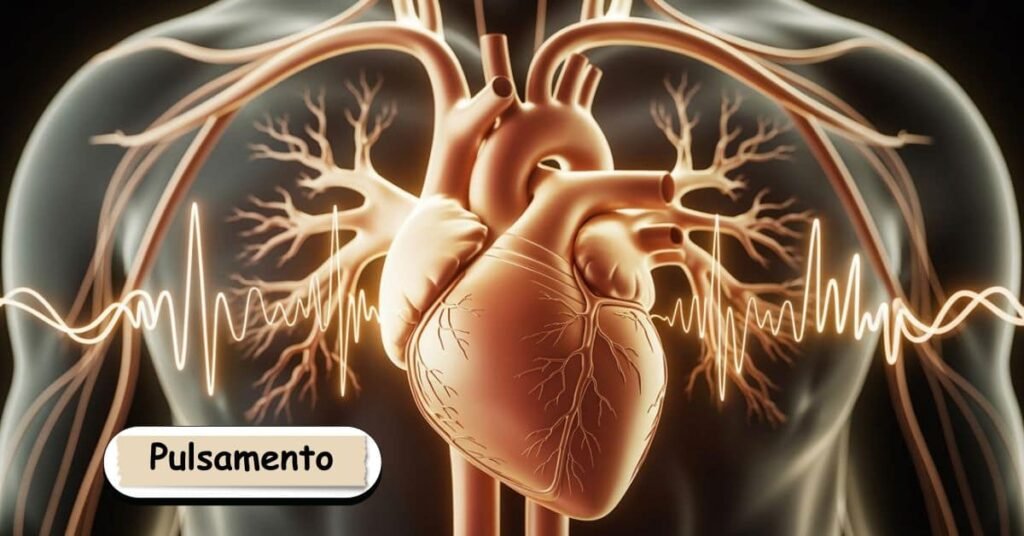
Nature is full of pulsamento. Your heartbeat is the most obvious example. It follows a steady rhythm that keeps your body functioning properly.
Breathing is another form of pulsamento. Inhaling and exhaling create a repeating cycle that supports life. Even brain activity shows rhythmic patterns known as brainwaves.
These biological rhythms prove that pulsamento is not just a human idea — it is a natural principle. It exists in every living system and helps maintain balance.
Pulsamento in Daily Life – — It’s Already There!
Your daily life also follows pulsamento, even if you don’t notice it. Your sleep cycle, work routine, and energy levels all move in patterns.
For example, you may feel more active during the day and more relaxed at night. This is your body’s natural pulsamento. When your routine matches this rhythm, you feel more productive and less stressed.
On the other hand, when your routine is disrupted, it can affect your mood and performance. That’s why understanding pulsamento can help you create a more balanced lifestyle.
Pulsamento in Art and Creativity
Creativity also depends on pulsamento. Writers, artists, and designers often talk about “flow” — this is another form of pulsamento.
In writing, pulsamento appears in sentence rhythm and storytelling pace. In visual art, it can be seen in patterns, repetition, and movement within a design. When creators align with their natural pulsamento, their work becomes more engaging and expressive. It helps ideas flow smoothly and naturally.
Never Miss: Oncepik – Tool That is Replacing 5 Apps at Once!
Psychological and Emotional Impact of Pulsamento!
Pulsamento has a strong effect on the mind. Rhythm can influence emotions, reduce stress, and improve focus.
For example, listening to calm music with a steady pulsamento can relax your mind. Fast rhythms can increase energy and motivation. Practices like meditation and mindfulness also use pulsamento. Focusing on breathing patterns helps calm the brain and improve mental clarity.
Pulsamento in Technology and Digital Systems!
In modern technology, pulsamento appears in digital sound and signal processing. Audio engineers use rhythmic patterns to create music and effects. In electronic music, pulsamento is often generated using software. Beats, loops, and waveforms all follow structured patterns.
Even artificial intelligence uses pulsamento in music creation. AI tools analyze rhythm patterns to produce new compositions. This shows how the concept continues to evolve with technology.
Benefits of Understanding Pulsamento
Understanding pulsamento can improve many areas of life. It helps musicians perform better, improves focus at work, and supports emotional balance.
It also enhances creativity. When you recognize patterns and rhythms, you can use them to create better ideas and solutions. Overall, pulsamento helps you live in harmony with your natural rhythm.
How to Use Pulsamento in Your Life?
You can use pulsamento in simple ways. Start by paying attention to your breathing and daily routine. Try to create a consistent schedule that matches your energy levels. You can also practice rhythm exercises, like tapping your fingers or listening to music. These activities help you develop a better sense of timing.
Over time, aligning your life with pulsamento can improve both productivity and well-being.
Common Misconceptions About Pulsamento
Many people think pulsamento is a music genre, but it is not. It is a concept that applies to many fields.
Others believe it is only related to Latin music. While it is popular in those styles, it exists everywhere. Some confuse it with pulsation. While they are similar, pulsamento is broader and more connected to flow and rhythm.
Pulsamento vs Similar Concepts — Clear Comparison!
| Term | What It Means | Relationship to Pulsamento |
| Beat | A single rhythmic unit | One moment of pulsamento |
| Rhythm | A pattern of beats over time | Built on top of pulsamento |
| Tempo | The speed of a piece of music | Rides along the pulsamento |
| Pulse | A recurring throb or throb | Nearly the same as pulsamento |
| Cadence | The flow or rhythm of speech or music | A form of pulsamento in language |
Understanding these differences helps you use each word correctly and gives you a much clearer picture of what pulsamento actually does — it is the engine under all of these concepts.
Why Pulsamento Is Important in Modern Life?
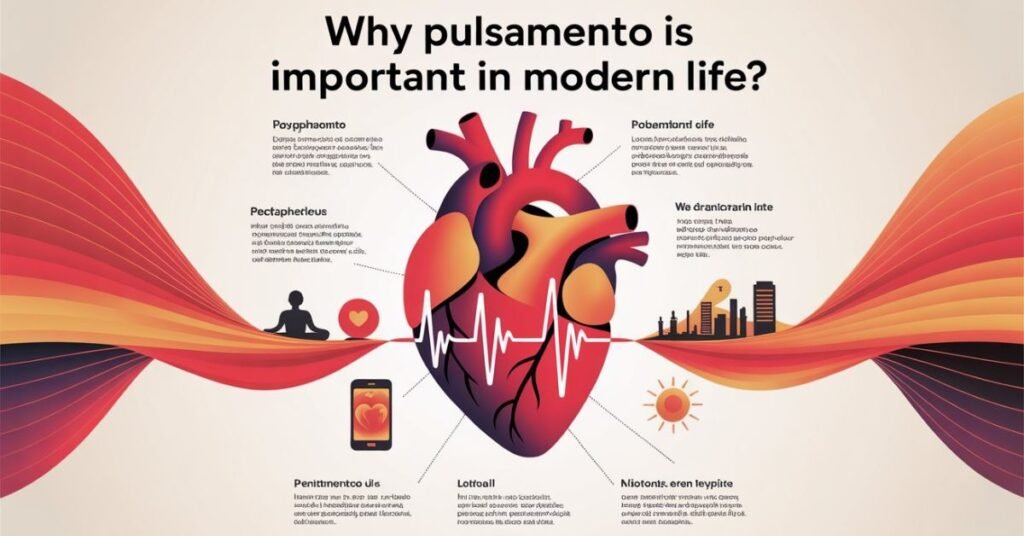
In today’s fast-paced world, people often lose their natural rhythm. Constant stress and digital overload disrupt pulsamento. Understanding it can help restore balance. It encourages better time management, mental health, and productivity.
By reconnecting with pulsamento, individuals can create a more mindful and balanced lifestyle. This awareness also helps people slow down and align their daily actions with natural energy flow.
The Future of Pulsamento — What Is Coming Next?
Pulsamento is becoming more important in areas like AI music, wellness, and digital content. Today, AI music apps use rhythm and pulse patterns to create songs that feel real and emotional. In health and wellness, experts are using rhythm-based breathing and sound methods to help people deal with stress and anxiety.
As more people care about mental health and creativity, pulsamento will keep growing in popularity. The world is moving fast, and people are looking for balance — and pulsamento offers exactly that.
Expert Insights & Real-Life Examples — See It All Around You!
Musicians often say that pulsamento is something they “feel” more than think about. It guides their playing in a simple and natural way. A guitarist does not count every single beat — he just feels the flow and goes with it.
In daily life, pulsamento is easy to find if you look around:
- Walking — your steps move in a steady rhythm without any effort
- Traffic — cars move, stop, and go again in a repeating pattern
- Talking — one person speaks, the other listens, then they swap — that is pulsamento in a normal chat
These simple examples show that pulsamento is not a hard idea at all. It is already a part of your everyday life. Once you start noticing it, you will see it in everything you do.
Conclusion
Pulsamento is more than just a word — it is the rhythm that connects music, nature, and life. From your heartbeat to your daily routine, it shapes how you move and feel. By understanding pulsamento, you can improve focus, creativity, and emotional balance. In simple terms, pulsamento is the rhythm of life itself.
FAQs About Pulsamento
1. Why do people feel pulsamento in music without knowing it?
Because the human brain naturally reacts to rhythm. Even if someone doesn’t understand music theory, they can still feel the steady beat of pulsamento.
2. Can pulsamento be different in every music style?
Yes, pulsamento changes with music style. For example, it can feel slow and soft in classical music, but fast and strong in pop or dance music.
3. Do beginners need to learn pulsamento in music?
Yes, beginners benefit a lot from it. Learning pulsamento helps them stay in time, improve coordination, and play more smoothly.
4. Is pulsamento only related to instruments?
No, it is not only for instruments. It also appears in singing, dancing, and even clapping or tapping rhythms.
5. How does pulsamento help creativity?
Pulsamento helps the mind stay focused and organized. This makes it easier to create music, write, or design with better flow and ideas.
6. Can pulsamento be felt in silence?
Yes, even in silence the body has rhythm, like heartbeat and breathing. These natural cycles are also forms of pulsamento.
 Wild Rise
  Admin
Admin