
Introduction
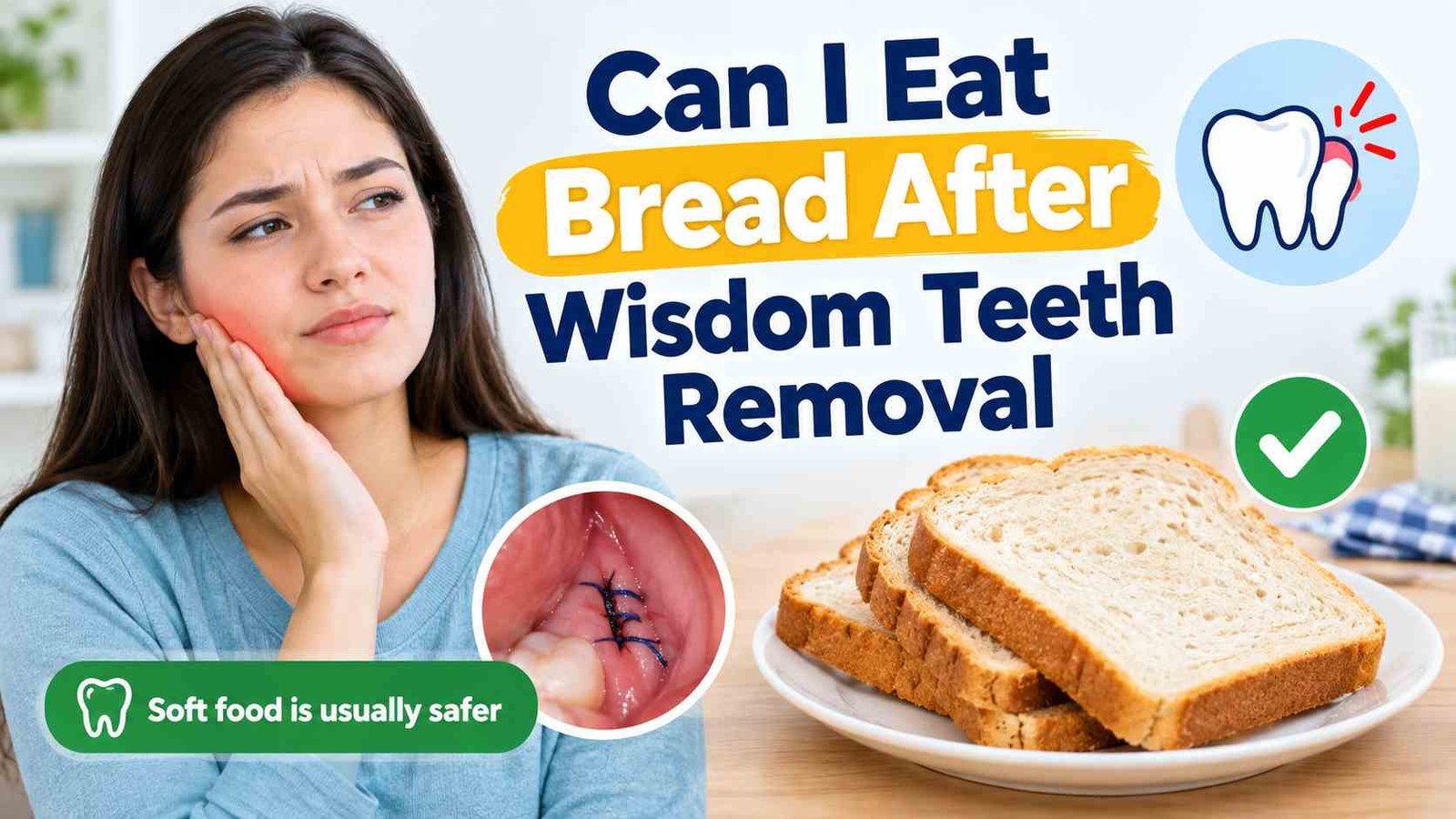
Having your wisdom teeth removed can make even simple foods seem confusing. One common question people have during recovery is, can I eat bread after wisdom teeth removal? The answer depends on how far you are into the healing process and what type of bread you want to eat.
Soft foods are usually preferred during the first few days because your gums and extraction sites are still healing. Bread can be harder to manage than foods such as yogurt, mashed potatoes, applesauce, eggs, or soup. Dry, crusty, toasted, or chewy bread may require more chewing and can leave crumbs around the extraction area.
That does not mean you have to avoid bread throughout your entire recovery. As your mouth becomes more comfortable, you can gradually introduce softer foods and eventually return to your usual diet. The important thing is to choose the right texture and avoid putting unnecessary pressure on the healing area.
Your oral surgeon’s instructions should always come first because recovery can differ depending on how difficult the extraction was and whether your wisdom teeth were impacted.
Can I Eat Bread After Wisdom Teeth Removal?
Yes, you may be able to eat soft bread after wisdom teeth removal, but it is usually better to wait until you can chew comfortably. During the early recovery period, the main goal is to protect the extraction sites and avoid foods that require significant chewing.
The American Association of Oral and Maxillofacial Surgeons recommends a soft diet during the first few days, with foods that are easy to swallow and do not require much chewing. Solid foods can then be introduced gradually as you feel comfortable.
Bread can be tricky because not all bread has the same texture. A soft piece of white bread with the crust removed is very different from a toasted slice, bagel, baguette, or seeded multigrain bread. The latter options may be hard, chewy, crunchy, or contain small pieces that can become trapped near an extraction site.
If you decide to try bread, start with a small amount of soft, moist bread. Take small bites and chew gently. If chewing causes pain, bleeding, or pressure around the extraction area, stop and return to softer foods.
The key is not simply whether bread is allowed. It is whether the particular bread can be eaten without irritating your healing mouth.
When Can I Eat Bread After Wisdom Teeth Removal?
There is no single day when everyone can safely return to bread. Your recovery depends on factors such as the number of teeth removed, whether the teeth were impacted, the type of procedure performed, and how quickly your mouth is healing.
Can I Eat Bread on the Same Day?
Bread is generally not the best choice immediately after surgery. Your mouth may still be numb from anesthesia, making it difficult to chew safely. Soft or liquid foods that require little chewing are usually easier during this stage.
Can I Eat Bread 24 Hours After Wisdom Teeth Removal?
It is usually better to continue with soft foods during the first day. Dry, toasted, crusty, and chewy bread should be avoided. Foods such as yogurt, applesauce, pudding, mashed potatoes, and scrambled eggs are easier to manage.
Can I Eat Bread 2–3 Days After Wisdom Teeth Removal?
Some people may begin introducing very soft foods around this time if their pain and swelling are improving. If you try bread, choose something soft and moist, remove the crust, and take small bites.
Can I Eat Bread 5–7 Days After Wisdom Teeth Removal?
Many people can gradually tolerate more foods during this period. Cleveland Clinic recommends soft foods for several days and then gradually adding more solid foods according to comfort.
Can I Eat Bread After One Week?
Many uncomplicated extractions are much more comfortable after a week, but healing is not identical for everyone. If bread feels comfortable and your dental professional has not given you additional restrictions, you can gradually return to normal bread choices.
| Recovery stage | General food texture | Bread guidance |
| First 24 hours | Liquid or very soft | Usually avoid bread |
| Days 2–3 | Very soft | Try only if comfortable |
| Days 3–5 | Soft foods | Soft, moist bread may be tolerated |
| Days 5–7 | Soft solids | Gradually introduce more textures |
| After 1 week | Increasingly normal | Return to regular bread as tolerated |
This is a general guide, not a fixed medical schedule.
Why Is Bread Difficult to Eat After Wisdom Teeth Removal?
Bread may look soft, but some types can create several problems during early recovery. The first issue is chewing. After wisdom teeth removal, your jaw may be sore and swollen, so repeated chewing can be uncomfortable. Dense or chewy bread, such as bagels, can place additional strain on the jaw.
Dry bread can also become difficult to swallow because it requires more chewing and saliva to soften it. Toast and crusty bread create another concern because hard pieces and crumbs can irritate the healing gum.
Small pieces of food may also collect around the extraction sites. This is especially relevant with seeded or grainy bread. Cleveland Clinic advises avoiding foods that are hard, crunchy, chewy, or likely to become trapped in the healing areas.
Another reason to be careful is the blood clot that forms in the tooth socket. This clot is an important part of early healing. If it becomes disturbed, complications such as dry socket can occur.
For these reasons, the question is less about whether bread itself is dangerous and more about its texture. Soft, moist bread eaten gently is very different from crunchy toast eaten aggressively.
What Type of Bread Can You Eat After Wisdom Teeth Removal?
When you are ready to introduce bread, choose varieties that are soft and easy to chew. Soft white bread is often easier to manage because it has a tender texture. Removing the crust can make it even softer.
Soft whole-wheat bread may also be suitable if it does not contain hard seeds, nuts, or coarse grains. Check the texture rather than assuming that every whole-wheat loaf will be comfortable.
Soft dinner rolls or brioche may also be easier to chew than dense bread. However, avoid any crispy outer surface and choose the soft center.
Another option is to make bread softer by pairing it with a suitable moist food. For example, a small piece of soft bread can be dipped into a lukewarm soup or broth. The goal is to reduce the amount of chewing needed.Smooth spreads may also make bread easier to eat, but use caution with sticky foods. A thin layer of a smooth spread may be easier than chunky ingredients.
Whatever type you choose, start slowly. Cut the bread into small pieces and avoid taking large bites. If your jaw becomes tired or the extraction area starts hurting, stop eating it.Your dentist or oral surgeon may recommend a different diet depending on your procedure, so their instructions should take priority over general advice.
What Types of Bread Should You Avoid After Wisdom Teeth Removal?
Not every type of bread is suitable during the early healing period. The main varieties to avoid are those that are hard, crunchy, chewy, dry, or filled with small seeds and grains.
Toast is one example. Its crispy surface can produce crumbs and hard pieces that may irritate a sensitive extraction area. Crusty breads such as baguettes, French bread, and artisan loaves can create similar problems.
Bagels are another poor choice during early recovery because they are dense and chewy. They require considerable jaw movement and can be uncomfortable when your mouth is still sore.
Seeded bread and some multigrain breads can also be difficult. Small seeds or hard grains may become trapped around the healing site. Cleveland Clinic specifically recommends avoiding seeds and foods that can become lodged in an extraction socket.
You should also be careful with bread that has a hard topping or crispy edges, such as heavily toasted garlic bread.As a simple rule, if a bread requires forceful biting, prolonged chewing, or produces lots of crumbs, it is probably not the best option during the early part of recovery.
How to Eat Bread Safely After Wisdom Teeth Removal?
Once you are ready to try bread, the way you eat it matters. Start with a soft variety and remove the crust if it is firm. Cut the bread into small pieces so you do not have to take large bites or stretch your jaw widely.
Moisture can also make bread easier to manage. You can pair soft bread with smooth food or carefully soften it with lukewarm soup. Avoid eating anything extremely hot because hot foods may irritate the surgical area. Current oral-surgery guidance recommends soft foods and avoiding very hot, spicy, hard, chewy, and crunchy foods during early healing.
Chew gently and, when comfortable, use an area away from the extraction site. Do not force yourself to chew if your mouth hurts.You should also avoid using a straw with drinks during early recovery. The suction can disturb the blood clot and increase the risk of dry socket.
After eating, follow the cleaning instructions given by your oral surgeon. Avoid aggressive rinsing or vigorous swishing, particularly during the early stage, because this can disturb the healing area.Most importantly, listen to your mouth. Pain is a useful signal that a particular food or texture may be too much for you at that point in recovery.
What Can I Eat Instead of Bread After Wisdom Teeth Removal?
If bread feels uncomfortable, there are plenty of other foods that can provide energy and nutrients without requiring much chewing. During the first few days, soft foods are often more practical than trying to return to bread too quickly.
Protein is important while your body heals. Soft scrambled eggs, yogurt, cottage cheese, tofu, and other tender foods can provide protein without requiring heavy chewing. Smooth foods such as applesauce, mashed banana, and soft avocado can also be convenient.
For more filling meals, mashed potatoes, very soft pasta, oatmeal, and other smooth carbohydrates may work well. Soups can provide fluids and nutrients, but allow them to cool before eating and avoid chunky ingredients if they require too much chewing.
Cleveland Clinic lists foods such as yogurt, smoothies, applesauce, mashed potatoes, scrambled eggs, oatmeal, soft pasta, and soft fish among options that may be easier to tolerate during recovery.The goal is not to survive on one or two foods. A varied soft-food diet can help you get enough calories, protein, and fluids while your mouth heals.
As your comfort improves, you can gradually add foods with more texture. There is no benefit in rushing the process if chewing still causes pain.
What Happens If You Eat Bread Too Soon?
Eating bread too early does not automatically mean you will develop a complication. However, the wrong type of bread can make recovery more uncomfortable and may irritate the extraction area.
For example, biting into crusty bread can put pressure on tender gums. Dry bread may require more chewing, while crumbs can collect around the surgical site. Chewy bread can make a sore jaw work harder than necessary.
The greatest concern during early healing is protecting the blood clot inside the extraction socket. This clot helps protect the underlying tissue and supports healing. If it becomes dislodged, a painful condition called dry socket can develop.
This is why it is better to choose soft foods and gradually increase the texture of your meals. If you accidentally eat a small amount of bread, do not panic. Stop if it causes discomfort and follow the aftercare instructions provided by your dental professional.
Do not aggressively poke the extraction site to remove crumbs. If you have been given specific instructions for cleaning the area, follow them carefully.
If pain suddenly becomes severe or gets worse after initially improving, contact your dentist or oral surgeon. Increasing pain, swelling, fever, or unusual discharge can require professional evaluation.
Can Bread Cause Dry Socket After Wisdom Teeth Removal?
Bread itself does not automatically cause dry socket. The concern is how certain types of bread are eaten and whether the healing blood clot is disturbed.
A dry socket can occur when the blood clot in an extraction socket is lost too early. The exposed area can become very painful and may take longer to heal. Dry socket is more common after wisdom teeth removal than after some other extractions.
Hard or crusty bread can require forceful chewing, while crumbs or seeds may become trapped around the extraction site. These are good reasons to avoid such foods during early recovery.
You can lower your risk by following your surgeon’s instructions, eating soft foods, avoiding straws, avoiding smoking, and being gentle when cleaning your mouth. The American Association of Oral and Maxillofacial Surgeons also advises avoiding hard, crunchy foods and protecting the surgical areas while they heal.
If you experience severe pain a few days after surgery, particularly if the pain becomes worse instead of better, contact your dental professional. Do not assume that the problem is simply caused by something you ate.
Can I Eat Toast or Sandwiches After Wisdom Teeth Removal?
Toast is usually less suitable than soft bread during early recovery because toasting makes the bread harder and crunchier. The crisp edges can create crumbs and may be uncomfortable against healing gums.
A sandwich can also be difficult depending on its ingredients. Soft bread with a tender filling may be easier than a toasted sandwich containing tough meat, crunchy vegetables, seeds, or hard cheese. Large sandwiches can also require you to open your mouth widely, which may be uncomfortable when your jaw is swollen.
If you eventually try a sandwich, choose soft bread and simple fillings. Cut it into small pieces and chew gently. Avoid anything that feels hard, sharp, sticky, or excessively chewy.There is no need to rush back to sandwiches simply because you are tired of soft foods. If you can eat soft foods comfortably but a sandwich causes pain, wait a little longer.
The same principle applies to toast. Once your mouth has healed sufficiently and your dental professional has not given you additional restrictions, you can gradually experiment with firmer textures.
When Can You Return to a Normal Diet?
The return to a normal diet depends on your individual recovery. Cleveland Clinic notes that many people can gradually return to their usual foods as their mouth heals, while the American Association of Oral and Maxillofacial Surgeons emphasizes that each surgical site can have its own healing pattern.You may be ready to eat bread more normally when soft foods no longer cause discomfort, swelling is improving, and you can chew without putting pressure on the extraction sites.
However, an impacted wisdom tooth or a more complicated surgical extraction may require more patience. Having multiple teeth removed at once can also leave several areas healing simultaneously.Think of recovery as a gradual progression rather than a specific deadline. Start with foods that require little chewing, then move to soft solids, and finally return to harder or crunchier foods when they feel comfortable.
If a particular food causes pain, put it aside and try again later. There is little advantage in forcing your diet forward faster than your mouth can handle.If you develop severe or persistent pain, excessive bleeding, worsening swelling, fever, pus, or difficulty swallowing or breathing, contact your dentist or oral surgeon promptly.
Frequently Asked Questions
1. Can I eat white bread after wisdom teeth removal?
Soft white bread may be easier to tolerate than crusty or chewy bread once you are ready for soft solids. Remove the crust and take small bites. During the earliest stage of recovery, softer foods that require little or no chewing are usually a better choice.
2. Can I eat whole-wheat bread after wisdom teeth removal?
You may be able to eat soft whole-wheat bread as your recovery progresses. Avoid varieties containing seeds, hard grains, nuts, or a very coarse texture during early healing because these pieces can irritate or become trapped near the extraction site.
3. Can bread get stuck in a wisdom tooth extraction hole?
Yes, crumbs or small pieces of bread can be collected around an extraction site. Do not dig at the socket with your fingers or another object. Follow the cleaning and rinsing instructions provided by your dental professional.
4. What should I do if I accidentally eat toast after wisdom teeth removal?
Do not panic. Eating toast does not automatically cause a complication. Stop if it causes pain, avoid further crunchy foods and follow your normal aftercare instructions. Contact your dentist if you develop severe or worsening pain, bleeding, swelling, or other concerning symptoms.
5. Is bread safer after wisdom teeth removal if I remove the crust?
Removing a hard crust can make bread softer and easier to chew, but timing still matters. If you are still in the earliest stage of recovery, choose foods requiring even less chewing. Once you are comfortable with soft solids, crustless bread may be a reasonable option.
Conclusion
So, can I eat bread after wisdom teeth removal? In many cases, yes, but timing and texture matter. Bread is usually not the best choice immediately after surgery when your mouth is sore and the extraction sites are especially sensitive. Start with soft foods and gradually introduce soft, moist, crustless bread as your comfort improves.
Avoid toast, crusty loaves, bagels, seeded bread, and other hard or chewy varieties during early recovery. Take small bites, chew gently and protect the healing area. Most importantly, follow the specific instructions from your dentist or oral surgeon because your recovery may differ from someone else’s.If eating causes significant pain or you develop worsening symptoms, stop and contact your dental professional rather than trying to push through the discomfort.