
Introduction
Swollen gums in the back of the mouth are a common dental problem that many people experience at some point. It often starts as mild discomfort but can quickly turn into pain, tenderness, or even infection if ignored. This area of the mouth is especially prone to problems because it is harder to clean properly, and food particles can easily get trapped around the back molars and wisdom teeth.
In many cases, poor oral hygiene, gum disease, or partially erupted wisdom teeth are the main reasons behind this condition. Since the back of the mouth is not easily visible, swelling may go unnoticed until it becomes painful or severe. That is why early attention is important to avoid complications such as infection or tooth damage.
In this article, we will explain what swollen gums in the back of the mouth mean, their common causes, symptoms, and the most effective home and medical treatments. You will also learn prevention tips and when to see a dentist for proper care.
What Does Swollen Gums in Back of Mouth Mean?
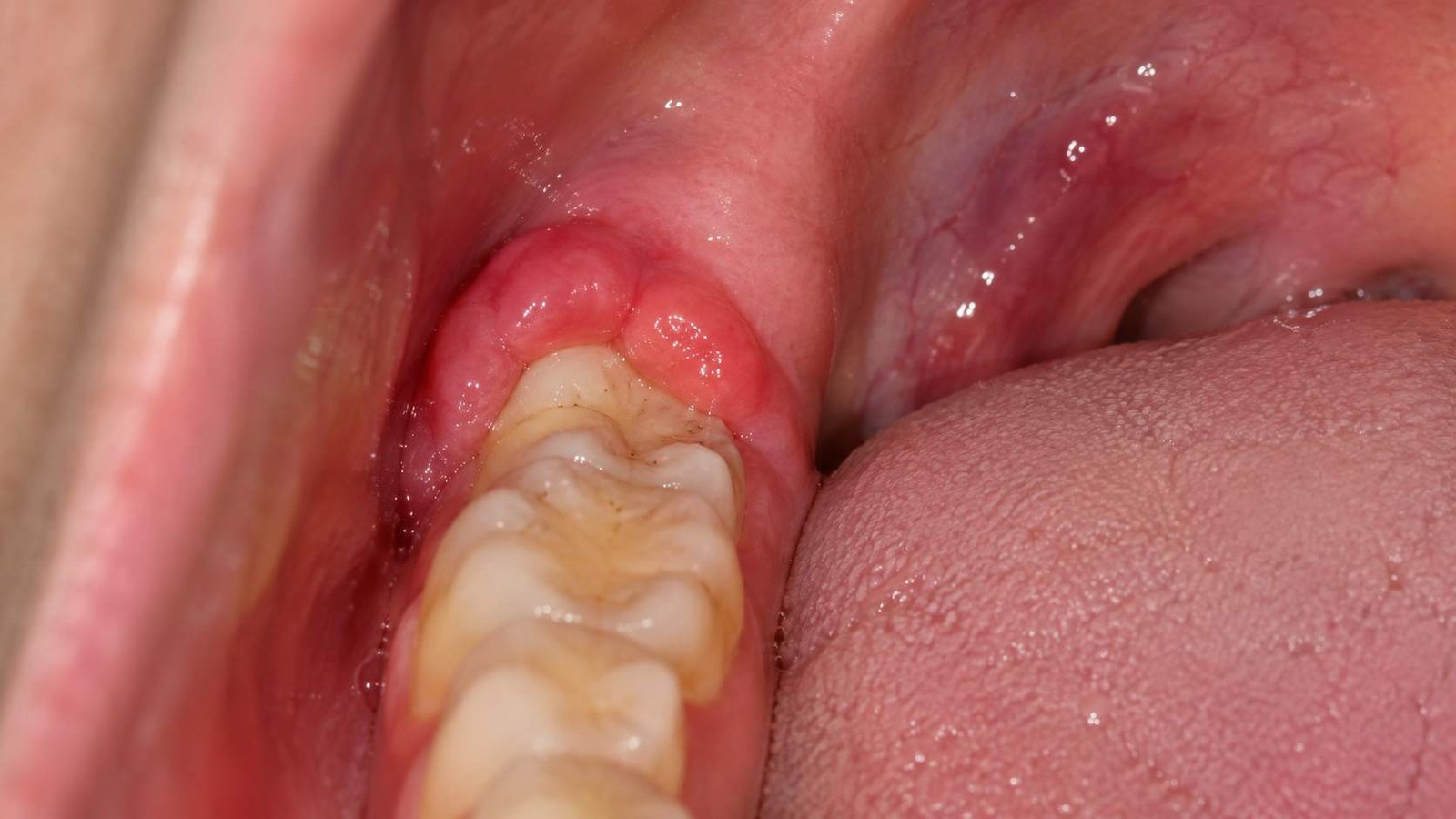
Swollen gums in the back of the mouth refer to inflammation of the gum tissue around the molars or wisdom teeth area. In simple terms, it means the gums become irritated, red, and puffy due to bacteria, plaque buildup, or injury. This condition is medically known as gingival swelling.
There is a clear difference between mild irritation and a serious infection. Mild irritation usually causes slight discomfort and may improve with better brushing and rinsing. However, infection-related swelling often includes pain, pus, and difficulty chewing. This usually requires dental treatment.
The back of the mouth is more vulnerable because it is harder to reach while brushing and flossing. Food particles and plaque tend to collect in this area, creating a perfect environment for bacteria to grow. Over time, this can lead to gum inflammation or more serious gum disease if not treated properly.Understanding this condition early helps prevent long-term oral health issues and ensures timely treatment before it gets worse.
Common Causes of Swollen Gums in Back of Mouth
Swollen gums in the back of the mouth can develop due to several reasons, ranging from simple hygiene issues to more serious dental conditions. One of the most common causes is poor oral hygiene. When brushing and flossing are not done properly, plaque and bacteria build up around the back teeth. This leads to irritation and swelling over time.
Another major cause is wisdom tooth problems, also known as pericoronitis. This happens when a wisdom tooth only partially comes out, leaving a flap of gum that traps food and bacteria. This area becomes infected easily, causing pain, swelling, and sometimes a bad taste in the mouth.
Gingivitis, which is the early stage of gum disease, is another common reason. It causes red, swollen gums that may bleed while brushing. The good news is that gingivitis is reversible with proper care.
If left untreated, gingivitis can progress into periodontitis, a more serious gum infection that damages the bone supporting teeth. This can lead to gum recession and even loose teeth.Sometimes, a dental abscess or infection can also cause swelling. This is a pocket of pus that forms due to bacterial infection and can be very painful.
Even something as simple as food stuck between teeth can cause temporary swelling. In some cases, hormonal changes, diabetes, or vitamin deficiencies can weaken gum health and make swelling more likely.
Symptoms of Swollen Gums in the Back of Mouth
The symptoms of swollen gums in the back of the mouth can vary depending on the severity of the condition. In mild cases, you may only notice slight redness and tenderness in the gum area. However, as the condition progresses, the symptoms become more noticeable and uncomfortable.
Pain while chewing is a common sign, especially when the affected area is near the molars or wisdom teeth. Many people also experience bleeding while brushing or flossing, which is an early warning sign of gum disease.
Bad breath or an unpleasant taste in the mouth is another frequent symptom, caused by bacteria buildup in the swollen gum area. In some cases, swelling near wisdom teeth becomes visible and may even make it difficult to open the mouth properly.
In more serious cases, a gum bump filled with pus may develop, indicating infection. This requires immediate dental attention. Recognizing these symptoms early is important because timely treatment can prevent the problem from becoming more severe or spreading to other parts of the mouth.
How To Treat Swollen Gums In Back Of Mouth At Home?
Home care can be very effective for mild cases of swollen gums in the back of the mouth, especially when caused by plaque or minor irritation. One of the simplest and most effective remedies is a warm salt water rinse. This helps reduce bacteria, soothes the gums, and promotes healing when used several times a day.
Proper brushing technique is also essential. Using a soft-bristled toothbrush, gently clean the back teeth without applying too much pressure. This prevents further irritation while still removing plaque buildup.Flossing or using interdental cleaners helps remove food particles trapped between teeth, which is often a major cause of swelling. Keeping these areas clean reduces the chances of infection.An antiseptic mouthwash can also help control bacteria and reduce inflammation. It is especially useful for people prone to gum issues.
Applying a cold compress on the outside of the cheek can help reduce pain and swelling temporarily. It is a simple way to get relief at home.It is also important to avoid spicy, crunchy, or very hot foods during this time, as they can irritate the gums further and slow down healing.
Medical Treatment for Swollen Gums in Back of Mouth
When home remedies are not enough, professional dental treatment becomes necessary. A dentist may start with a professional cleaning to remove plaque and tartar buildup that cannot be removed at home. This helps reduce inflammation and prevent further infection.If there is a bacterial infection, antibiotics may be prescribed. These help control the infection and reduce swelling and pain.For more advanced gum disease, deep cleaning procedures such as scaling and root planing are used. This cleans below the gumline and helps restore gum health.
If wisdom teeth are causing repeated problems, extraction may be recommended. This is especially common in cases of pericoronitis where the tooth cannot fully erupt.In severe cases, such as a dental abscess, the dentist may need to drain the pus to remove the infection source. This provides quick relief and prevents the infection from spreading.
When Should You See a Dentist Immediately?
You should see a dentist without delay if the swelling lasts more than one to two weeks or continues to worsen. Severe pain in the back gums is also a warning sign that something more serious may be happening.If you notice pus, swelling around wisdom teeth, or a bad taste that does not go away, it could indicate an infection. Fever or swelling in the face are more serious symptoms that require urgent care.Difficulty opening your mouth or chewing is another red flag. These symptoms suggest that the infection may be spreading and needs immediate treatment. Early dental care can prevent complications and protect your overall oral health.
Complications If Left Untreated
If swollen gums in the back of the mouth are ignored, the condition can become much worse over time. One of the biggest risks is the spread of infection to other parts of the mouth or even the jaw.Untreated gum inflammation can develop into periodontitis, a serious condition that damages the bone supporting your teeth. This may eventually lead to tooth loss if not controlled.
In some cases, swelling can spread to the face and cause visible facial swelling, which may become painful and dangerous. Chronic gum problems may also develop, making oral hygiene difficult and uncomfortable in the long term.Early treatment is always better because it prevents these complications and keeps your teeth and gums healthy.
How To Prevent Swollen Gums in Back of Mouth?
Prevention plays a key role in avoiding gum problems. Brushing your teeth twice a day with proper technique helps remove plaque before it builds up. Flossing daily is equally important because it cleans areas your toothbrush cannot reach.Regular dental checkups every six months allow early detection of gum issues. Cleaning around wisdom teeth carefully is especially important for preventing infections in the back of the mouth.
Avoiding smoking or tobacco use also improves gum health significantly. A balanced diet rich in vitamin C and B helps strengthen gums and supports healing.Good oral hygiene habits are the best way to prevent swelling and maintain long-term dental health.
Special Focus: Swollen Gums Near Wisdom Teeth
Wisdom teeth are one of the most common reasons for swelling in the back of the mouth. This happens because they often do not fully emerge, creating a space where food and bacteria collect. This condition is known as pericoronitis.It can cause pain, swelling, and difficulty chewing. In mild cases, cleaning the area carefully may help reduce symptoms. However, if the problem keeps coming back, a dentist may recommend removing the wisdom tooth completely.Early dental care is important because ignoring wisdom tooth problems can lead to repeated infections and more serious complications over time.
Home Remedies vs Dental Treatment: What Works Best?
| Approach | Effect | Limitation |
| Home Remedies | Temporary relief, reduces mild swelling | Does not treat infection or root cause |
| Dental Treatment | Long-term solution, removes cause of problem | Requires professional care |
Home remedies can help reduce discomfort for a short time, but they do not fix the underlying issue. Dental treatment is the only way to fully resolve infections or serious gum problems. Delaying professional care can make the condition worse.
FAQ’s
1. How to make back gum swelling go down?
Brush gently twice a day, rinse with warm salt water, and floss to remove trapped food. Avoid spicy or hard foods. If swelling is strong or painful, see a dentist.
2. Why are my gums swollen behind my back teeth?
Usually it happens because of food stuck, poor cleaning, wisdom teeth coming in, or gum infection (gingivitis).
3. How long will it take for inflamed gums to go down?
Mild swelling can improve in 2–3 days with good cleaning. If it’s caused by infection, it may take 1 to 2 weeks or need dental treatment.
4. What medicine can cure swollen gums?
Dentists may give pain relievers or antibiotics if there is infection. There is no single medicine that fits all cases, so treatment depends on the cause.
5. What kills bacteria in your gums?
Good brushing, flossing, salt water rinses, and antiseptic mouthwash help reduce and kill bacteria in the mouth.
6. Does hydrogen peroxide help swollen gums?
Yes, it can help reduce bacteria, but it must be diluted. Using it too often or too strong can irritate your gums.
7. What is the fastest way to heal a gum infection at home?
Rinse with warm salt water, keep the area clean, use a soft toothbrush, and avoid sugary or spicy foods. Still, infections often need a dentist.
8. What happens if I rinse my mouth with hydrogen peroxide every day?
Daily use is not safe for a long time. It can make gums sensitive, dry, and irritated if overused.
9. What is the best mouthwash for inflammation of the gums?
Antiseptic mouthwashes like chlorhexidine (prescribed by dentists) or alcohol-free antibacterial mouthwash can help reduce inflammation and bacteria.
Conclusion
Swollen gums in the back of the mouth are usually caused by plaque buildup, gum disease, or wisdom tooth issues. While mild cases can improve with proper oral hygiene and home care, persistent or painful swelling often needs professional dental treatment. Ignoring symptoms can lead to infection, tooth damage, or more serious oral health problems. The best approach is to maintain good brushing and flossing habits, use simple home remedies for temporary relief, and visit a dentist when symptoms do not improve. Understanding how to treat swollen gums in back of mouth early helps protect your teeth and prevents long-term complications. With the right care, most gum problems can be managed easily and effectively.
 Wild Rise